
 Singapore
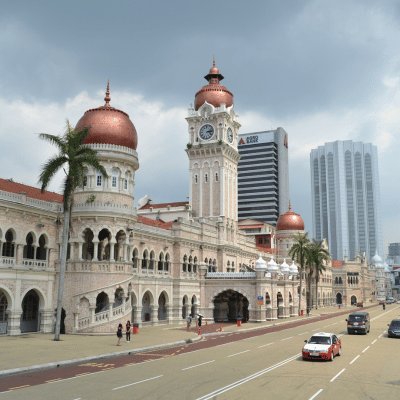 Malaysia
 Indonesia
 Dubai
Dubai
 Thailand
 China
China
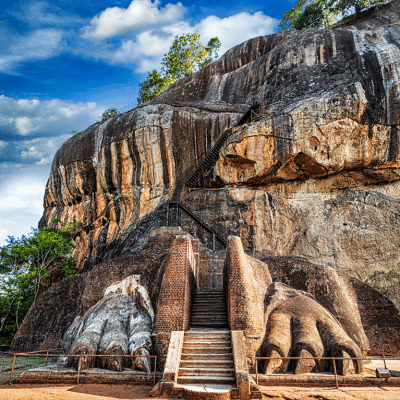 Sri Lanka
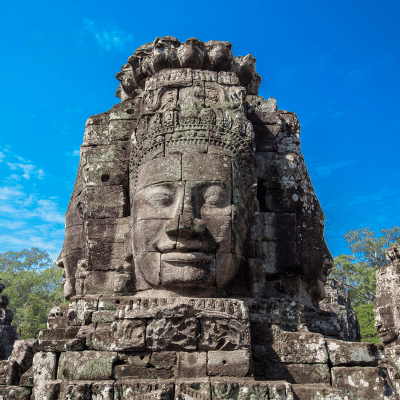 Cambodia
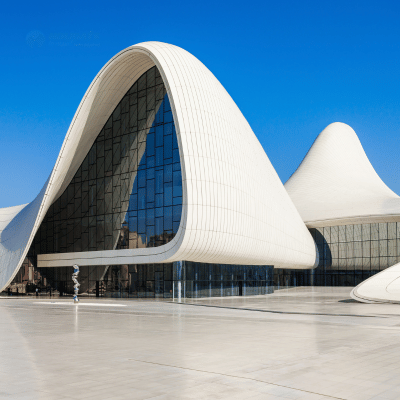 Azerbaijan
 Vietnam
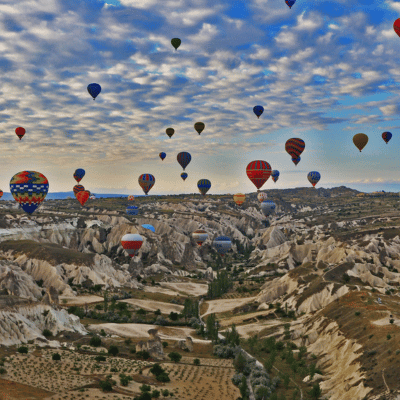 Turkey
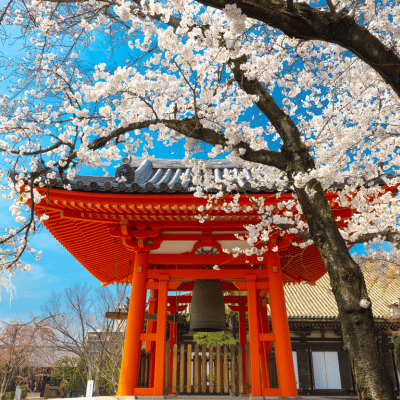 Japan
Japan
 Korea
Korea
 Europe
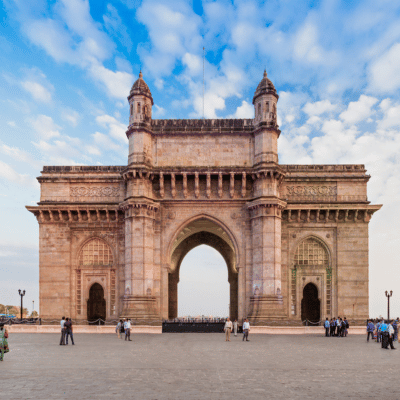 India
India
 Maldives
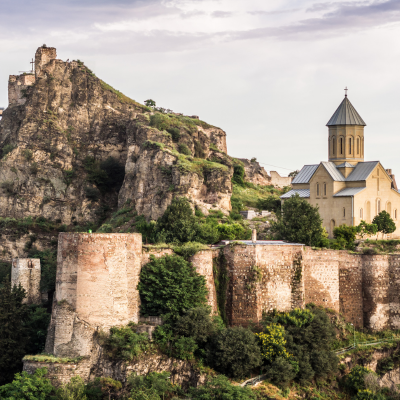 Georgia
 Philippines
 Africa
 Central Asia


This 8-day tour from Nepal is dedicated to travelers who want to immerse themselves in one of Africa’s most culturally rich nations, Ethiopia.
Popular for its unique indigenous tribal communities, amazing natural landscapes, and warm hospitality, this destination is suitable for Nepali visitors interested in history, art, and culture.
You’ll firstly explore Addis Ababa, the capital city, and visit many prominent landmarks like the National Museum of Ethiopia, Addis Ababa University, Entoto Maryam Church and Museum. The first site is particularly known for housing the 3.2 million year old hominin fossil named Lucy Dinkinesh!
Then, visit a few of Ethiopia’s most fascinating indigenous communities, like the Erbore, Dorze, Hamer, and Nyangatom, which will help you gain insights into their distinct traditions, daily lifestyle, and cultural legacy.
To add some fun, you’ll also stop by the vibrant Mercato Market, where you can shop for various local goods. You’ll also enjoy a boat trip on Lake Chamo, and along this journey get to see crocodiles, diverse birds, and hippos! No matter which adventures you partake in, you’ll definitely have a great time on this tour.
So, whether you’re meaning to sprinkle in a bit of adventure, nature, or history to your travel days, this incredible tour will help fulfill all those travel fantasies!
Visit Ethiopia: Popular Attractions Covered
Here is a quick overview of the incredible destinations included in your itinerary along with what makes each destination special.
|
Destination |
Popular For |
Attractions Covered |
|
Addis Ababa |
Rich history, cultural traditions, urban life, and religious legacy |
|
|
Arba Minch/Gamo Highlands |
Indigenous village experiences, traditional ways of living, and unique cultures |
|
|
South Omo |
Pastoral lifestyle, local village experiences, traditional ways of living, and unique cultures |
Villages like
|
|
Near Weyto Village (Only a drive by destination) |
Indigenous communities like the Tsemai and local markets |
|
|
Gamo Zone of the South Ethiopia Regional State |
Natural scenery, boat excursions, and crocodile viewing |
|
Seek Serenity in Holy Trinity Cathedral
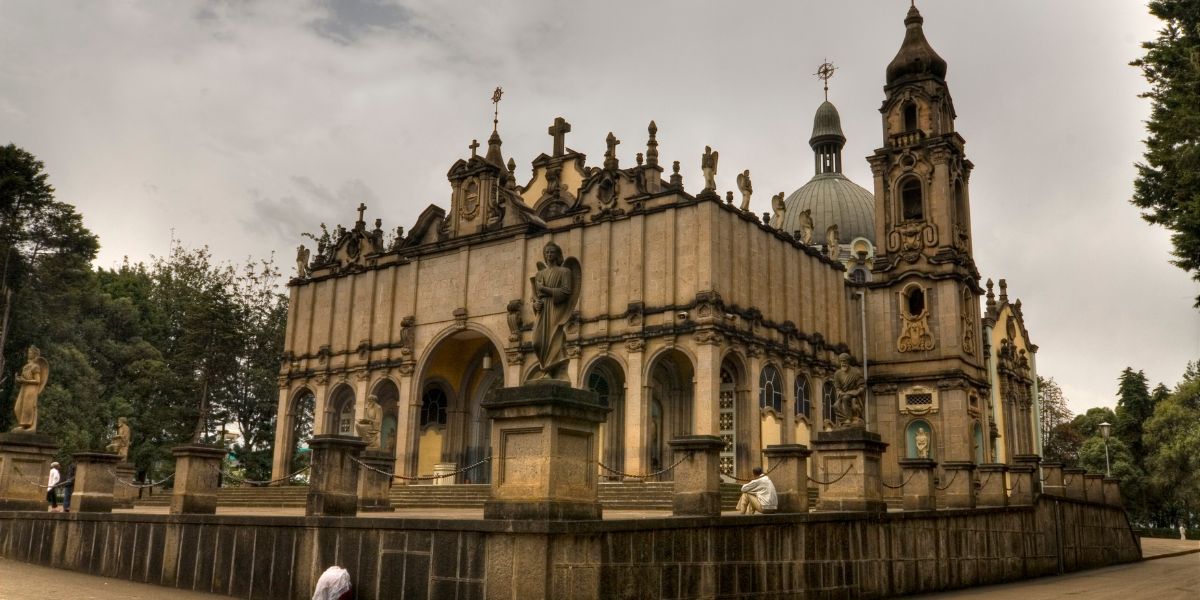
Home to numerous religious landmarks, Ethiopia’s capital, Addis Ababa, offers travelers a glimpse into this nation’s deep rooted history and cultural traditions. To kick start this tour, you’ll begin by visiting the prestigious Holy Trinity Cathedral that was inaugurated in 1943.
The architecture of this cathedral is simply stunning, as it was constructed using a mix of Ethiopian design with European influences. Dedicated to the Holy Trinity, this destination has been an active place of worship for many Christians and during special occasions hosts a number of religious festivals and ceremonies.
Additionally, the church is also the final resting place of Emperor Haile Selassie and his wife Menen Asfaw, who were the final monarch and queen consort of Ethiopia.
Similarly, the inside features a variety of intricate murals, religious paintings, and sculpted stonework that reflect the cathedral’s everlasting beauty and cultural traditions.
Uncover Ethiopia’s Past at the National Museum
Next, explore the National Museum of Ethiopia that houses the 3.2 million year old hominin fossil of Lucy Dinkesh! Discovered in 1974 by Donald Johanson, this skeleton remains of Lucy has helped scientists to understand how human beings evolved over time.
Divided into 4 major sections, the museum’s basement houses the hominin fossil of Lucy, whereas the ground floor features various artifacts from different time periods like pre-Aksumite, Aksumite, and Gonderian. Likewise, the first floor has displays of Ethiopian art and paintings, and the second level consists of traditional weapons, jewellery, and utensils belonging to diverse ethnic groups of Ethiopia.
Explore Addis Ababa University and Ethnographical Museum
For an educational experience, you’ll also stop by Addis Ababa University, which has played a vital role in providing education to the students of Addis Ababa. This destination is divided into various faculties, research centers, and libraries and likewise hosts many
recreational events and activities on a yearly basis as well.
Following this, you’ll visit the Ethnographical Museum located nearby the university, which has a wide collection of historical artifacts, traditional tools, and equipment.
Visit Entoto Maryam Church and Museum
Following this, you’ll explore the renowned Entoto Maryam Church and Museum established in 1877. One of the church’s most unique designs is its octagon structure, which is constructed using stone bricks.
Additionally, the church is also the resting place of Emperor Menelik and his wife, Empress Taytu, whereas the museum houses many royal and religious artifacts.
Shop for Local Goods at Mercato Market
One of the best ways to immerse yourself in Ethiopia’s local cultures is through its markets. On this tour, you’ll be visiting the Mercato (also known as Addis Mercato) market, where you can go shopping and find many local products from fragrant spices to textiles, clothes, jewellery, and coffee.
Discover the Dorze and Their Traditional Lifestyle
Firstly, visit the Dorze community, who live in the Gamo highlands of southern Ethiopia. Their main livelihood depends upon traditional activities like farming, bee keeping and cattle rearing.
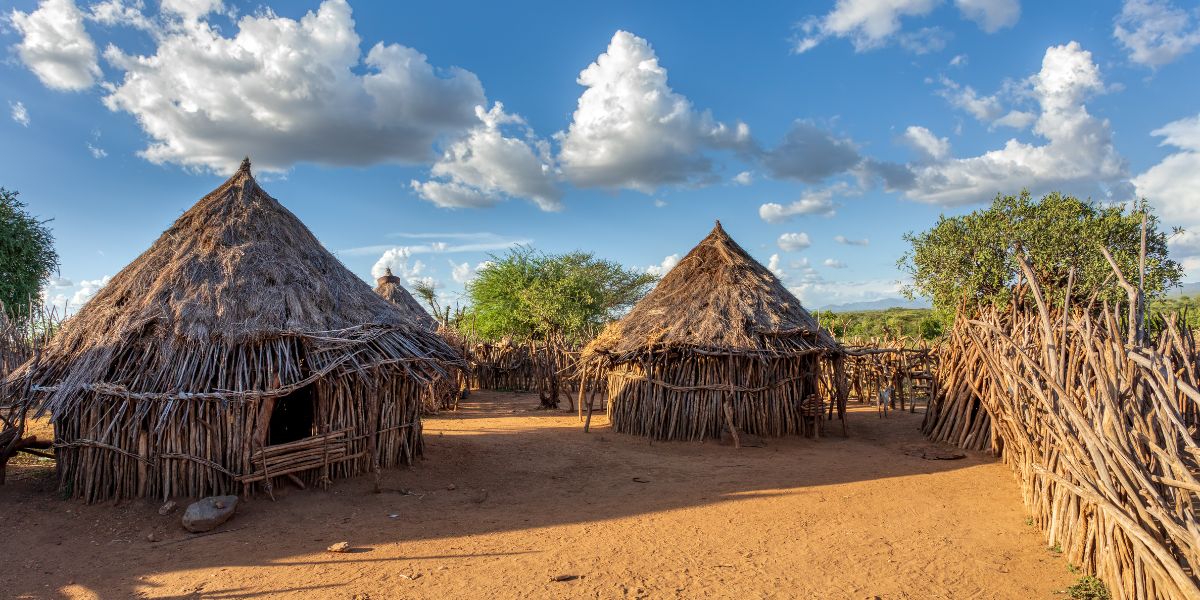
During your time here, you’ll get the opportunity to visit an authentic village, meet locals, and gain insights into their everyday local life. This group is particularly known for their bee-hive shaped huts that are made out of natural materials.
Explore the Unique Identity of the Erbore People
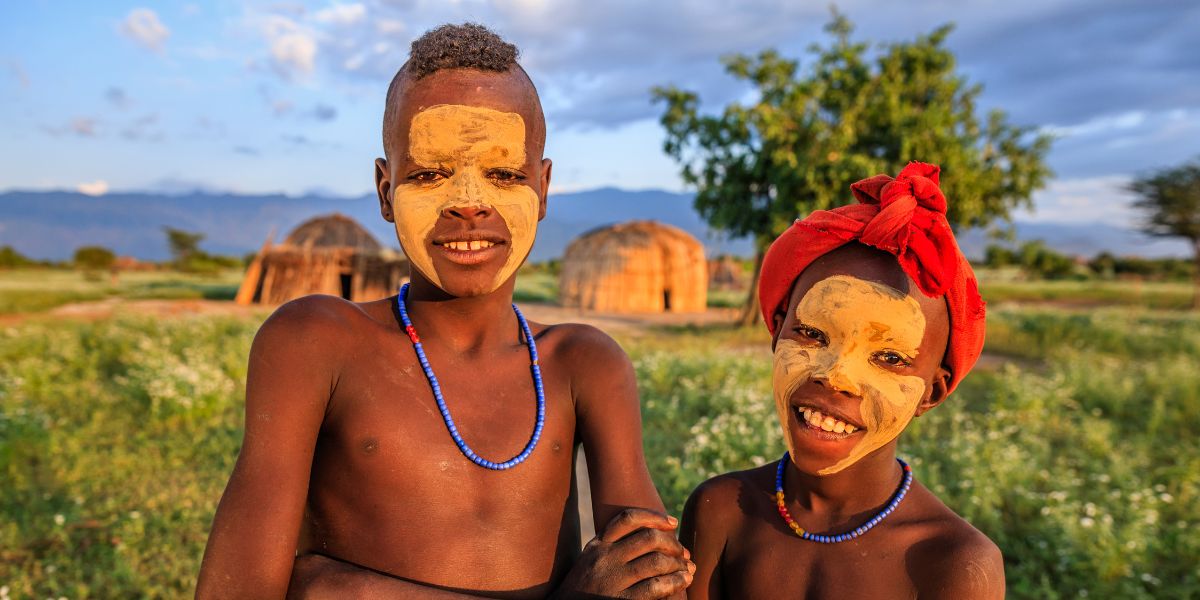
The second indigenous Cushitic ethnic group that you’ll be visiting are the Erbores, who reside in the southwestern Omo Valley region of Ethiopia. Locally also known as Arbore, this community’s daily life revolves around agro-pastralism and is also said to be deeply spiritual in nature.
The elders of the community are the main decision makers and play a vital role in land distribution, formulating local rules/laws and conflict resolution. In terms of accommodation, they live in dome-shaped oval huts that are constructed out of natural materials.
The girls have shaved hair, which indicates that they’re unmarried and are allowed to grow their hair once they get married. During special occasions, the Arbore women wear colorful accessories, beaded earrings and necklaces, and paint their faces and bodies, which not only helps to enhance their physical appearance but also serves as symbols of identity and status.
Catch a Glimpse of Tsemai Tribe
Enroute to Turmi, you’ll also pass by the Weyto Village, where the Tsemai tribe reside. Locally also called Tsemay, this community follows an agro-pastrolist lifestyle and their livelihood depends upon traditional activities like farming and cattle rearing like most Ethiopian tribal groups.
The Tsemai lead a very simple lifestyle, as they live in thatched huts away from civilization, which they themselves built with natural resources found in the village area. Likewise, the social order and major decisions are taken by the elders. Their diet consists mainly of grains, meat and milk products.
Discover the Cultural Traditions of the Nyangatom
Then, you’ll visit another indigenous ethnic group, called the Nyangatom. Like the Erbore, they follow an agro-pastoralist lifestyle and have their own language, which is spoken by the whole community.
The Nyangatom community express themselves through art mediums like traditional dances and songs. Nyangatom women wear colorful beaded necklaces and hand made ornaments, which reflect their social status, grace, and cultural traditions. They also wear circular shaped necklaces as a symbol of their martial status, while men decorate their bodies with white paint in preparation for ceremonies.
Both men and women perform body scarification (a process where skin is cut to create distinct, raised patterns) as part of the culture. For men, these scars are carved across the chest and arms, which signifies their bravery and status in the community, whereas women have them on their abdomen and face as a permanent mark of their beauty and cultural identity.
Experience the Traditional Way of Life of the Hamer Community
Another indigenous ethnic community that you’ll be visiting on this tour is the Hamer (also referred to as Hamar) community, who reside in southwestern Ethiopia. Like the Nyangatom tribe, they are known for their distinctive cultural traditions, which include body scarification, as this is seen as a sign of strength and endurance.
The Hamer community also follows a typical agro-pastoralist lifestyle, where men manage and look after cattle rearing and engage in agriculture, whereas on the other hand, women look after the household chores and general well being of the family. Honey collection is also an important traditional activity within the community.
One of the most unique traditions of the Hamer community is the bull jumping ceremony, where young men of the community jump across a line of bulls, which denotes their transition from childhood to adulthood. This ceremony is also considered to be an important part of Hamer cultural identity and community life.
Explore the Unique Heritage of the Karo People
The Karo (also known as Kara) are one of Omo Valley’s smallest Nilotic ethnic groups who live along the banks of the Omo River situated in the southwestern part of the nation. The community’s livelihood depends upon agriculture and cattle rearing (like most tribal groups), and traditional activities like body scarification are also performed by many members of the community.
The Karo tribe also share similar cultural and linguistic ties with the Hamar people, and both communities practice the traditional bull jumping ceremony. Likewise, they are also known for their distinctive body and face decorations that are often created by using natural materials found in the community.
During your visit, you’ll get the opportunity to observe the community’s traditional way of living, gain information on their agricultural and fishing practices, and learn about their local traditions.
Experience the Natural Beauty of Lake Chamo
To end your tour, you’ll also enjoy a boat ride on Lake Chamo, one of Rift Valley’s most picturesque lakes. Located at an elevation of 1110 meters, this lake is surrounded by serene natural landscapes and particularly known for its population of crocodiles, hippos, and diverse bird species.
Thank you so much, Holidays to Nepal team, for their time and effort that they have put into our tour to make it memorable. Our holiday tour to Bali wouldn’t have been completed without your perfect and cosy planning. It was such a good experience, and I will definitely choose Holidays to Nepal for our next trip as well, and I highly recommend others choose them as their travel partner as well. Keep it up, and best of luck for more achievements.