
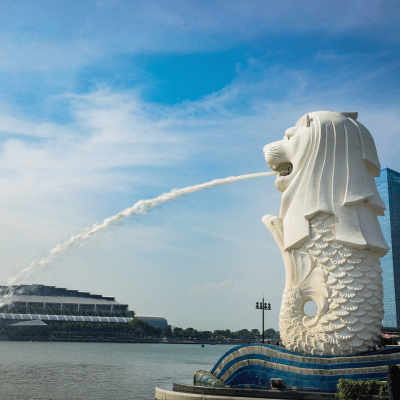
 Singapore
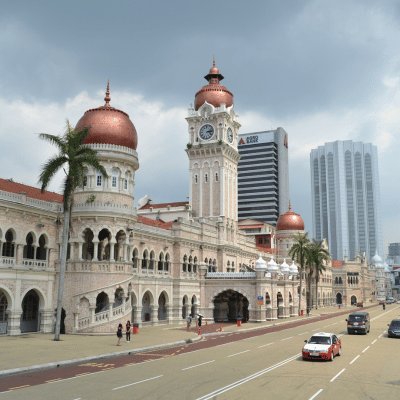 Malaysia
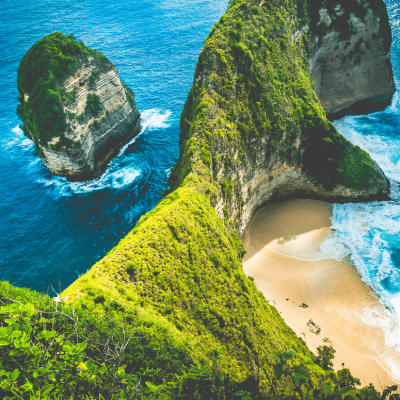 Indonesia
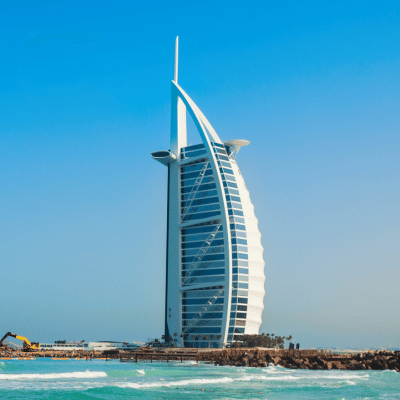 Dubai
Dubai
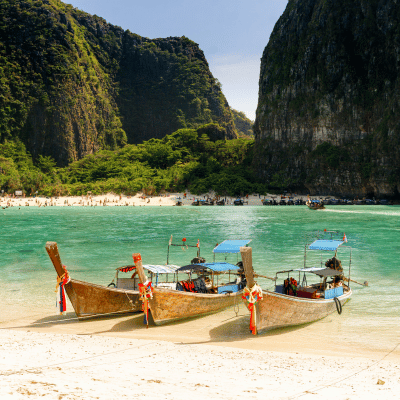 Thailand
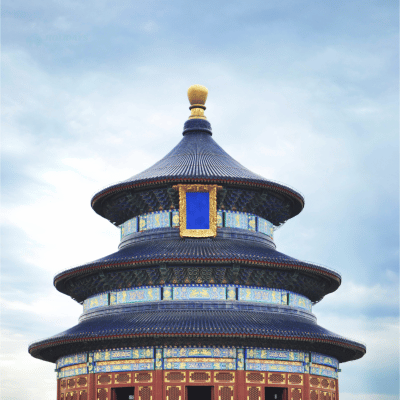 China
China
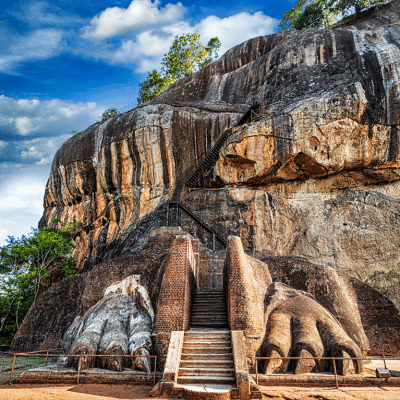 Sri Lanka
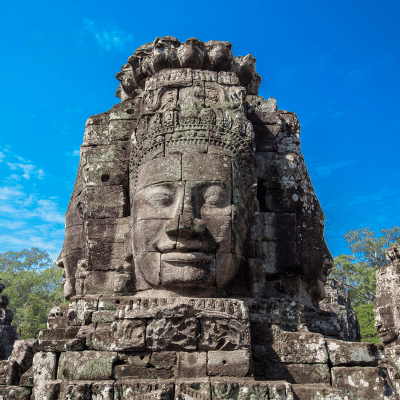 Cambodia
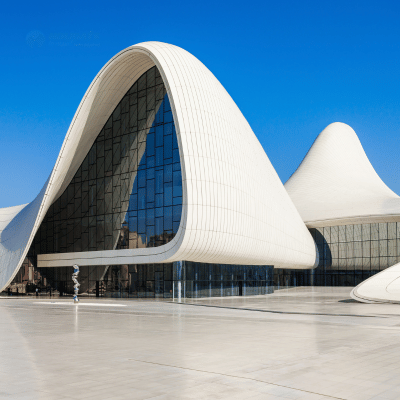 Azerbaijan
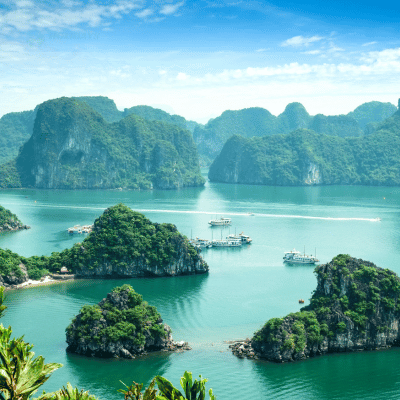 Vietnam
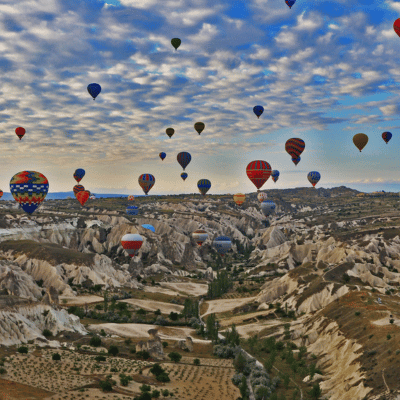 Turkey
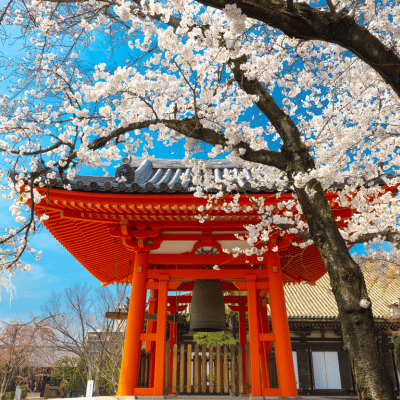 Japan
Japan
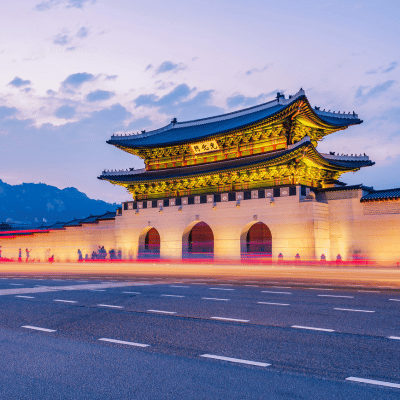 Korea
Korea
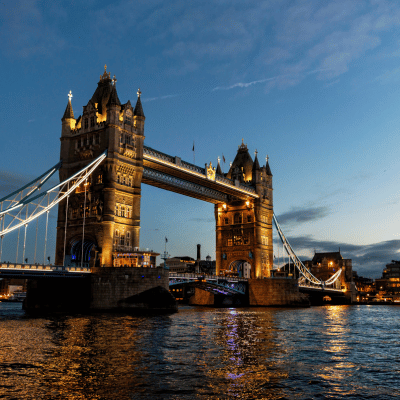 Europe
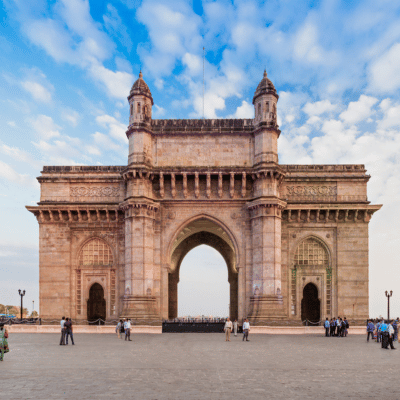 India
India
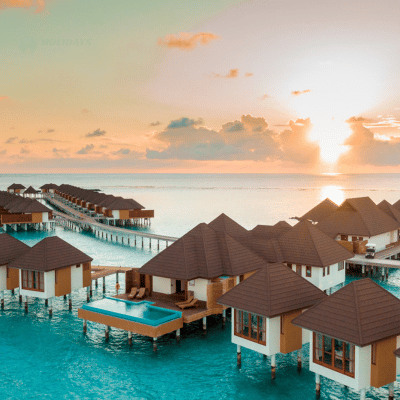 Maldives
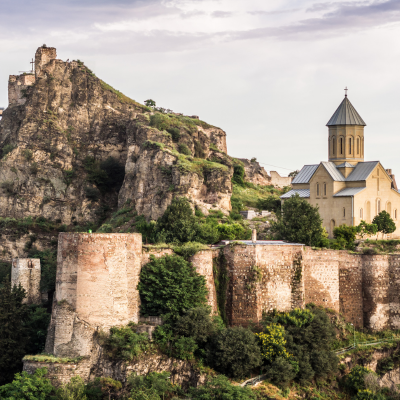 Georgia
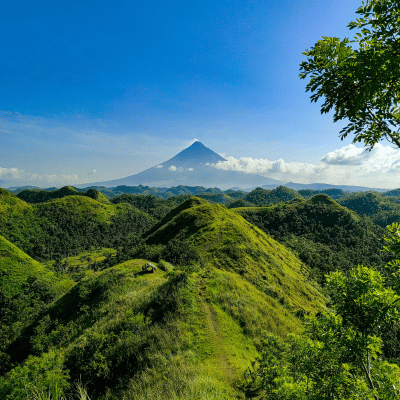 Philippines
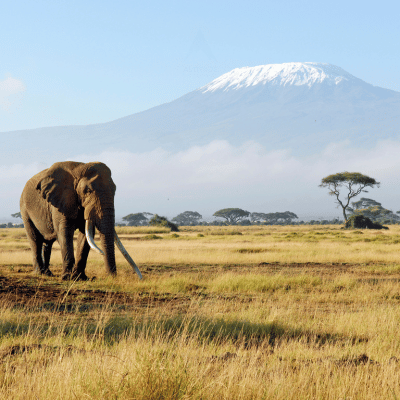 Africa
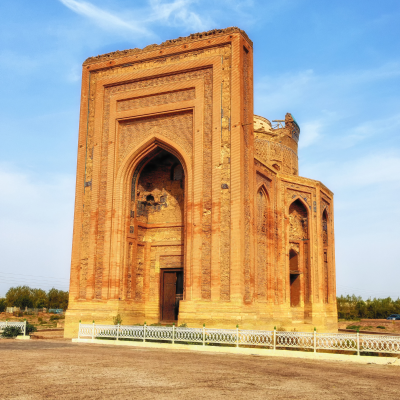 Central Asia
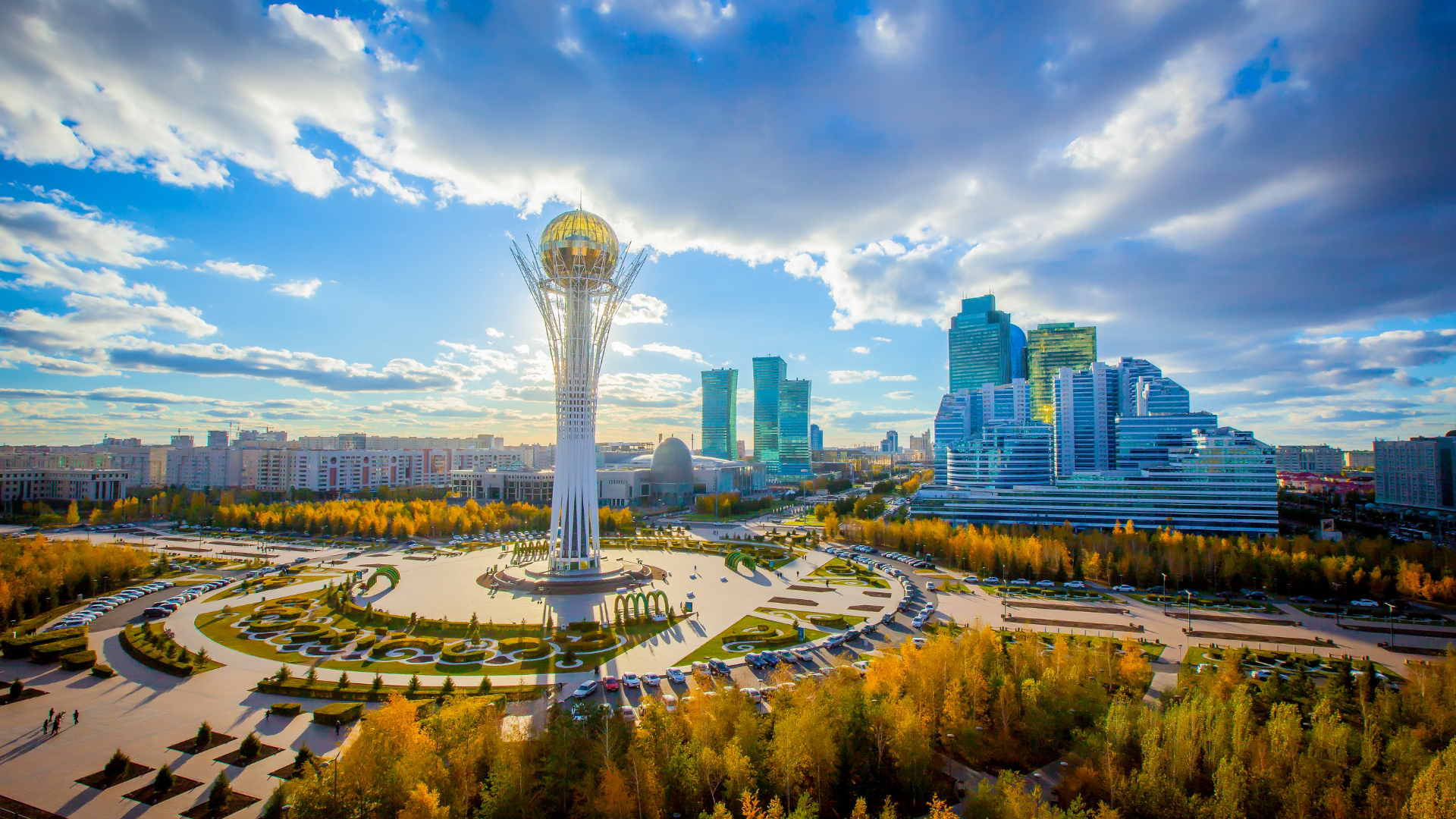
Central Asia showcases a whole different side of Asia, one that not many travelers know about; it’s where ancient heritage meets nomadic cultures! From the snow covered mountains in Tajikistan to the ancient Silk Road cities of Uzbekistan, this region offers unreal travel experiences unlike anywhere in the world.
In terms of its geographical position, Central Asia extends from the Caspian Sea in the west to the border of western China in the east and consists of 5 former major Soviet republics, namely Kazakhstan, Tajikistan, Kyrgyzstan, Turkmenistan, and Uzbekistan.
What makes this part of Asia stand out is its geographical location, ancient Silk Road heritage, spectacular natural landscapes, and high hospitality. Another aspect is its rich nomadic cultural identity, especially seen reflected in nations like Kyrgyzstan and Kazakhstan.
For Nepali travelers craving traditional immersive experiences, Central Asia offers opportunities to stay in yurts, try horseback riding, join art workshops, and savor nomadic cuisines, which are definitely proven to be enriching and truly unforgettable moments.
Central Asia Travel Profile
|
Number of Nations |
5 core nations |
|
Land Area |
5.9 million square kilometer |
|
Nickname |
The Heart of Asia |
|
Widely Spoken Languages |
Uzbek, Russian, Kazakh, Tajik, Kyrgyz, and Turkmen |
|
Major Cities |
Tashkent (Uzbekistan), Almaty/Astana (Kazakhstan), Bishkek (Kyrgyzstan), Ashgabat (Turkmenistan), and Dushanbe (Tajikistan) |
|
Major Religions |
Islam and Christianity practiced in certain areas |
|
Time Zones |
Two standard time zones (UTC+5 and UTC+6) |
|
Climate |
Dry continental climate |
|
Common Entry Points |
Kazakhstan, Uzbekistan, Kyrgyzstan, Tajikistan, and Turkmenistan |
|
Known for |
Dramatic landscapes, Silk Road heritage, breathtaking architecture, historic cities, and ancient museums |
|
Popular Foods |
Plov (rice cooked with meat), lagman (hand pulled noodles served with meat), manti (dumplings), and shashlik (grilled meat) |
|
Transportation |
Trains, buses, minivans, taxis, and motorcycles |
Why Visit Central Asia from Nepal?
There are a multitude of reasons why Central Asia would make a favorable destination for many Nepali travelers, as it offers visitors a mix of Silk Road heritage, breathtaking scenery, rich historical legacy, unique traditions, and robust food cultures.
Below, we’ve highlighted a few concrete reasons why this part of Asia stands out as a must visit destination for anyone looking to expand their travel horizons beyond the tourist destinations around the world.
Silk Road Heritage
For many travelers, the Silk Road is one of the most compelling reasons to explore Central Asia. Rather than functioning as a standard solitary route, the Silk Road consists of a vast network of overland and sea routes that connects various parts of Asia, the Middle East, and Europe for centuries.
If you’re someone who is particularly interested in learning about the history of the Silk Road and the vital role it played in terms of trade in the past, then ancient cities like Samarkand, Bukhara, Khiva, and Merv are a few destinations that must be included in your bucket list.
These cities not only provide an opportunity to visit traditional markets, discover historic mosques, and explore colorful neighbourhoods but can also help one understand the cultural, commercial, and significant aspects of the Silk Road.
Exposure to Nomadic Cultures and Heritage Tours
Central Asia can also be a great destination for Nepali travelers to experience the traditions of nomadic communities like the Kazakhs, Kyrgyz, Turkmen, and Karakalpak, who have been residing here for centuries.
In the past, these nomadic communities used to follow a semi-nomadic pastoral lifestyle, but this practice has been changing due to factors like urbanization, modernization, and societal development in recent times. But traditions like horseback riding, seasonal migration, and living in yurts are still alive and practiced by many of these communities.
For a deeper and immersive experience, Kyrgyzstan, Tajikistan, and Kazakhstan offer a range of these kinds of activities, like staying in traditional yurts, rural living in villages, horseback riding, and learning about traditional music/crafts.
Diverse Natural Landscapes
Nepal is known as the “land of the Himalayas", with the world’s highest peak, Everest, being located here, but Central Asia offers a totally different mountain experience, as this region is characterized by distinct landscapes like vast valleys, alpine lakes, rugged mountain passes, sandy deserts, and green plains.
Another major factor why Central Asia stands out is due to its solitary nature, as many of its mountainous landscapes remain relatively untouched and uncrowded. Places like the Pamir Mountains, Wakhan Valley, Fann Mountains, and Tien Shan Mountains are a few recommended spots that cater to these aspects.
Unlike typical tourist destinations, which are often crowded and super jam-packed, these attractions are suited for travelers looking for peaceful escapes and immersive nature experiences.
Food and Culinary Experiences
For many, food makes a big part of what makes traveling enjoyable. In Central Asia, dining is more than just trying new dishes but more about experiencing this region’s diverse food practices and traditions.
Many Central Asian cuisines use meat, grains, bread, and dairy products as their main ingredients, but each country, of course, has its own regional specialties. A few popular dishes that you can try that cater to the Nepali taste buds include Shashlik (grilled meat skewers), plov (pilaf), chorek (flat bread), manti (dumplings), and gutap (stuffed flat bread).
High Hospitality
Central Asia is also known for its top notch hospitality and warmly welcomes tourists from all parts of the world. Many times, locals here often go out of their way to help people in need, whether it’s assisting a lost tourist with directions or helping someone less fortunate by offering them food and shelter.
People here are said to be always looking out for the well-being of others, certainly helping boost the hospitality factor. So, if you’re someone who prioritizes these things, then this region of Asia can be an ideal destination for you.
Visa Types, Processing Times & Stay Duration
Understanding visa requirements and all the essential travel documents is an integral part of planning your trip. Below we’ve listed out the required visa types, processing times, and stay durations for 5 nations we’ve talked about; you’ll be reading ahead in this travel description.
|
Nation |
Visa Type |
Type of Entry |
Processing Time |
Duration of Stay |
|
Uzbekistan |
E-Visa |
Single Entry |
5-6 working days |
30 Days |
|
Kazakhstan |
E-Visa |
Single Entry |
20-30 working days |
30 Days |
|
Kyrgyzstan |
E-Visa |
Single Entry |
7 to 10 working days |
30 Days |
|
Tajikistan |
Traditional tourist (sticker) visa |
Single Entry |
1 to 10 working days |
60 Days |
|
Turkmenistan |
Traditional tourist (sticker) visa |
Single Entry |
2 to 5 working days |
10 to 30 Days |
Note: The visa processing times and permitted stay durations are subject to change. Applicants should check the latest requirements and conditions with the respective embassy or immigration authority before applying.
Uzbekistan: Popular Landmarks and Local Culture
|
Famous For |
Silk Road heritage centric cities, UNESCO sites, tea culture, and bustling markets |
|
Top Attractions |
Samarkhand, Bukhara, Khiva, and Tashkent |
|
Languages Spoken |
Uzbek, Russian, and Tadjik (common in Samarkand and Bukhara) |
|
Ideal Stay |
5 to 7 days |
|
Best Time to Visit |
April to May and September to October |
Also called the “Heart of Central Asia”, Uzbekistan is a landlocked nation famed for its rich Silk Road history, ancient cities, bustling neighborhoods, and flavorful Uzbek cuisines.
Discover Uzbekistan’s Silk Road Heritage
Tracing back the nation’s past, it served as an integral point of interest as it helped connect traders from the east and west and in the present time still functions as one of Central Asia’s top nations for business, tourism, and hospitality.
Cities like Tashkent, Samarkand, Bukhara, Khiva, Muynak, and Shakhrisabz have for years captured Uzbekistan’s historic and artistic soul. And Nepali travelers drawn to art, history, and culture will find exploring these cities a truly memorable experience.
Explore Tashkent, Uzbekistan’s Bustling Capital
Tour Uzbekistan’s capital and largest city, Tashkent, which is often the starting point for many visitors. A few places worth visiting here include Minor Mosque, Hazrati Imam Complex, Sacred Heart of Jesus Cathedral, Amir Timur Square, Shakh-i Zinda, and Chorsu Bazaar.
Admire the Turquoise Mausoleums of Shah-i-Zinda
The Shakh-i Zinda (located in Samarkhand) is an unmissable spot for history lovers, as it features 11 sacred mausoleums dedicated to members of the royal family, nobles, and religious personalities. Likewise, the Hazrati Imam Complex is another revered destination and houses historic mosques, madrasahs (Islamic schools), and a library, which can gain visitors insight into Uzbekistan’s Islamic heritage.
Shop for Local Goods in Chorsu Baazar
Another noteworthy destination is Chorsu Bazaar, as it features a variety of products from local spices to dried fruits, ceramics, tea, and traditional clothes. In the past, this bazaar served as an important point of interest as merchants gathered at this very place for trade activities.
To add even more fun and opportunities of local immersion, head to the Dilyafruz National House, where you can learn how to make traditional Uzbek foods like manti (steamed dumplings), plov (rice served with meat and veggies), and samsa (stuffed pastry). This activity can be a great way to learn about this nation’s local food traditions.
Other prominent attractions that you can add to your travel list include Registan Square, Poi-Kalyan Complex, Ark of Bukhara, Lyabi Khauz Ensemble, and Samanid Mausoleum.
Kazakhstan: Popular Landmarks and Local Culture
|
Famous For |
Kazah Steppe, dramatic mountains, nomadic heritage, and bustling markets |
|
Top Attractions |
Almaty, Astana, Charyn Canyon, Lake Kaindy, Atlyn Emel National Park, and Big Almaty Lake |
|
Languages Spoken |
Kazakh, Russian along with other regional languages like Uzbek, Uyghur, and Tatar |
|
Ideal Stay |
5 to 7 days |
|
Best Time to Visit |
May to June and September to October |
Being the largest nation in Central Asia, Kazakhstan is another remarkable destination visited by many tourists. Widely recognized for its breathtaking natural landscapes, deep rooted history, and nomadic heritage, this nation is a suitable destination for travelers looking for a blend of history and modernity.
Visit Astana- The Futuristic Capital
Begin your adventures in Kazakhstan by visiting Astana, the nation’s capital city which functions as the political and administrative center. A few of this destination’s most popular attractions include Baiterek Tower, Khan Shatyr Entertainment Center, Hazrat Sultan Mosque, Khan Shatyr, and Grand Mosque of Astana.
Explore Astana’s Top Landmarks
The Baitrek Tower is one of Astana’s most prominent locations, as it features an observation deck where one can catch panoramic views of the city. This landmark is also associated with Kazakhstan’s independence and deep rooted history.
Along with this, the Khan Shatyr Entertainment Center is another top spot, as it is home to the world’s largest tent standing at a height of 150 meters from the elliptical base.
Likewise, the Nurzhol Boulevard has to also be included on this list, as this 2-kilometer pedestrian site was designed by Japanese architect Kisho Kurokawa and features modern skyscrapers, public spaces, and historical and government buildings.
Discover Almaty- Kazakhstan’s Beloved Destination
After this, you’ll make your way to Almaty, which is set against the backdrop of the Trans-Ili Alatau mountains and offers visitors a distinct experience in comparison to Astana, as it provides a vibrant city atmosphere accompanied by spectacular natural scenery!
The Charyn Canyon is one particular destination admired by many tourists, as it features staggering red cliffs, dramatic rock formations, and vast desert landscapes. Locally also known as the “Valley of Castles”, this attraction is ideal for nature lovers, adventure enthusiasts, and photographers due to the mesmerizing vistas seen here.
If you’re looking for a more peaceful atmosphere, then head to Lake Kaindy, a picturesque mountain lake known for its turquoise blue waters. For an immersive experience, visitors can go hiking around the surrounding forests and mountain landscapes and take in the lake’s stunning natural beauty.
Kazakhstan’s Thriving Food Culture
Food plays an integral part in Kazakh culture and mainly centers around ingredients like dairy, meat, and grains. One unique thing is that horse meat is consumed and plays an integral role in Kazakh cuisine and reflects the nation’s deep rooted nomadic heritage.
Hospitality is also deeply engraved in Kazakh culture, as food is often shared with extended family members and neighbours. Travelers can experience Kazak cuisine by trying out local foods like beshbarmak (boiled meat served with noodles), baursak (fried dough), lagman (hand pulled noodles), and shorpo (meat and vegetable soup).
Kyrgyzstan: Popular Landmarks and Local Culture
|
Famous For |
Nomadic culture, alpine lakes, yurt traditions, and rich Silk Road history |
|
Top Attractions |
Bishkek, Al-Too Square, Burana Tower, Ala Archa National Park, and Issyk Kul |
|
Languages Spoken |
Kyrgyz and Russian |
|
Ideal Stay |
6 to 8 days |
|
Best Time to Visit |
June to September |
Explore Kyrgyzstan, a mountainous nation famous for its traditional nomadic cultures, stunning natural beauty, and adventure travel. Bishkek, the capital city, is often the starting point for many travelers, as this destination has it all, from historic attractions to affordable eateries, comfortable hotels, and tranquil parks.
Experience Kyrgyzstan's Local Cultures and Traditions
A few Kyrgyz communities living in rural/mountainous areas live a semi-nomadic lifestyle where their livelihood depends upon livestock herding and agriculture. Likewise, hospitality makes an integral part of community life, and Nepali travelers wanting to experience this can visit rural communities and stay in traditional yurts, share meals with families, and learn about their lifestyle.
The yurts are typically decorated with colorful carpets, cushions, wall hangings, and textiles. The Song-Kul Lake area is one favorable destination for this activity.
Horseback riding is another of the best ways for visitors to experience Kyrgyzstan’s local cultures, where one of the Kochor Song Kul routes is highly suggested for sightseers wanting to engage in this activity. Ideal for photographers, one can catch a glimpse of mountain valleys, alpine pastures, and vibrant grasslands along this journey.
Top Attractions of Kyrgyzstan
Visit Issyuk Kul, the world’s second largest mountain lake, which is surrounded by the scenic Kuney Ala Too and Terskey Ala Too mountain ranges. The lake is known for its crystal blue waters and is suitable for adventure enthusiasts, as one can enjoy a number of outdoor activities like swimming and hiking here.
Another important attraction is Al Archa National Park, a popular destination for those who want to escape the hustle and bustle of city life, as it provides a peaceful atmosphere and is also known for its rich biodiversity.
If you’re looking to add a bit of history to the tour, then head to Balasagun (also called Burana) Tower, situated in the ancient city of Balasagun. This 11th century minaret played an integral role in the Silk Road settlement and was also used to carry out various religious activities.
Go on a Fun Shopping Spree in Osh Bazaar
Shopping lovers will find Osh Bazaar an absolute gem of a destination, as it is one of Kyrgyzstan’s top rated spots for shopping and local life immersion. Divided into 2 major sections, namely the food and handicraft, one can find an assortment of products like fragrant spices, pastries, dried fruits, traditional Kyrgyz clothing, and even miniature yurts!
After a bit of shopping, you’re bound to get hungry, so you can try a few local foods like kurut (salty dried yogurt balls), lepyoshka (flatbread), samsa (stuffed pastry), and ashlan (spicy cold noodles) available in the food section of the market.
Tajikistan: Popular Landmarks and Local Culture
|
Famous For |
Pamir Mountains, scenic road trips, alpine lakes, silk road and ancient heritage |
|
Top Attractions |
Dushanbe city, Pamir Highway, Wakhan Valley, Rudaki Park, Navruz Palace, and Mehgron Valley |
|
Languages Spoken |
Tajik, Russian, and Pamiri languages |
|
Ideal Stay |
7 to 10 days |
|
Best Time to Visit |
June to September |
Tajikistan may be the smallest of the five Central Asian nations by area, but it’s home to a few of the region’s most spectacular landscapes. Though it's less explored than its neighbouring destinations, it boasts the mesmerizing Pamir and Fann mountain ranges along with clear alpine lakes and deep valleys.
This nation is especially popular amongst travelers who enjoy mountains, adventure, road trip gateways, and cultural experiences.
Visit Dushanbe- The Heart of Tajikistan
The capital city, Dushanbe, is home to many renowned attractions like Rudaki Park, the National Museum of Tajikistan, Navruz Palace, and the Ismoil Somoni Monument, which sits high on the bucket list of many travelers visiting Tajikistan.
Rudaki Park is one of the city’s most pleasant places for going on walks, whereas the National Museum of Tajikistan is a favorable destination to learn about Tajikistan's deep rooted history and rich cultural legacy.
For something relaxed, stop at Rohat Teahouse, designed in a traditional style where one can enjoy local foods like plov (mixed rice served with meat and veggies), kebabs (skewered meat), mastoba (rice and meat soup), and laghman (hand pulled noodles served in a meaty broth).
Explore the Pamir Mountains: Tajikistan’s Great Adventure
Another must see highlight of Tajikistan is the Pamir Mountains, also called the “Roof of the World”, as they are located at a very high altitude.
The Pamir Highway is a spectacular mountain road that forms part of the M41 route, and the full road journey from Dushanbe in Tajikistan to Osh in Kyrgyzstan covers approximately 1,200 km. Across this journey, you’ll get to catch a glimpse of high altitude deserts, alpine plateaus, salt lakes, and green valleys!
Discover the Ancient Khujand Fortress and Museum
Located beside the Syr Darya River, the Khujand Fortress and Museum was formerly a castle that was built to protect Tajikistan from various attacks. In the present time, the fortress complex houses 5 exhibition halls, which have helped to preserve Tajikistan’s history and traditions.
The Cultural Hall particularly presents the nation’s artisanship, as it features historical paintings and ceramic items. Through the various exhibitions located here, one is able to gain insights into the skills, creativity, and craftsmanship passed down through generations.
Other cities like Khujand, Kurgan Tube, Khorog, and Penjikent are also popular with tourists, as they feature an array of sightseeing attractions.
Turkmenistan: Popular Landmarks and Local Culture
|
Famous For |
Darvaza Gas Crater (Door to Hell), Ashgabat City, and Karakum desert |
|
Top Attractions |
Yangykala canyon, Kow Ata underground lake, Ertugrul Gazi Mosque, and Altyn Asyr Bazaar |
|
Languages Spoken |
Turkmen, Russian, Uzbek, and other minority languages |
|
Ideal Stay |
7 to 10 days |
|
Best Time to Visit |
May to June and September to early October |
Being one of Asia’s most isolated nations, Turkmenistan is a nation known for its vast deserts, the unique Darvaza Gas Crater, historical architecture, and ancient Silk Road cities.
As the second largest nation in Central Asia (after Kazakhstan), this destination offers travelers a journey through ancient history, spectacular natural scenery, lively cultural traditions, and delectable food cuisines.
Start your tour by visiting Ashgabat, the capital city, which is home to many prominent landmarks like the Independence Monument, the Monument of Neutrality (also known as the Arch of Neutrality), Turkmenistan Tower and Turkmenbashi Ruhy Mosque. Traveling to this city will provide you the perfect introduction to Turkmenistan’s historical attractions and vibrant atmosphere.
Catch a Glimpse of the Unique Darvaza Gas Crater
Also called the “Door to Hell,” the Darvaza Gas Crater is one of Turkmenistan’s most unique and surreal destinations. This massive fire is believed to have burned for more than 40 years and still continues till this day! But the intensity of the flames has diminished in recent years.
The gas crater is located in the Karakum Desert and looks particularly striking during night as one can see the flames glow against the surrounding darkness.
Catch a Glimpse of Turkmenistan’s Natural Wonders
For a change of scenery, explore the Yangykala Canyon, where you’ll be welcomed by dramatic cliffs of various shapes, sizes, and colors. Likewise, the Koytendag Mountains are another great destination, as they consist of the breathtaking Dinosaur Plateau, where one can see many fossilized dinosaur footprints along with other stunning natural landscapes and unique geological formations.
To get the best out of your trip, a few popular destinations catering to these that you can add to your bucket list include Kunya Urgench, Koytendag Mountains, Kyrk Gyz Cave and Umbar Dere Waterfall, where you can catch a glimpse of this country’s extraordinary natural landscapes.
Food and Cuisine in Turkmenistan
Turkmenistan is largely influenced by its Central Asian heritage, where many of its dishes are based on fresh vegetables, meat, and dairy products. While exploring this destination, be sure to try local favorites like manty (steamed dumplings), shashlik (skewered meat), ichleki (meat pie), and chorek (flatbread).
Best Time to Visit Central Asia from Nepal
Since Central Asia consists of different climates and landscapes, it’s important for travelers to know which are the most preferable months to visit based on their chosen destination and travel activities. To make things easier, we’ve provided you a few popular travel experiences and favorable months to enjoy them.
For Culture, History & Silk Road Exploration
Recommended months:
The months from April to May and September to October are two of the favorable months to visit Central Asia for history/culture immersion and silk road exploration.
Popular Destinations:
- In Uzbekistan: Samarkand, Bukhara, Khiva, and Tashkent
- In Kazakhstan: Turkistan, Taraz, and Shymkent
- In Kyrgyzstan: Osh and Bishkek
- In Tajikistan: Dushanbe and Khujand
- In Turkmenistan: Ashgabat, Ancient Merv, and Kunya Urgench
Best For:
Exploring ancient Silk Road cities, going on historical tours, and savoring local cuisines and vibrant local neighborhoods.
For Mountain Adventures & Trekking
Recommended months:
June to September is suitable for travelers wanting to go mountain trekking in places like Kyrgyzstan and Tajikistan, as these offer moderate climates, clear visibility, and stable temperatures. On the other hand, July and August are generally appropriate for high altitude trekking routes.
Note: However, sudden weather conditions can definitely impact the recommended months mentioned above.
Popular Destinations:
- In Kyrgyzstan: Ala Archa, Karakol, and Tian Shan Mountains
- In Kazakhstan: Ile-Alatau National Park, Kolsai Lakes, and Almaty Region
- In Tajikistan: Pamir and Fann Mountains
Best For:
Trekking through mountainous landscapes, hiking in alpine trails, horseback riding, and exploring high altitude lakes.
For Nature Escapes
Recommended months:
May to September is generally ideal for nature exploration, especially if you’re exploring lower elevation lakes and valleys and are planning to participate in other outdoor activities due to warmer temperatures and comfortable weather conditions.
Popular Destinations:
- In Kazakhstan: Lake Kaindy, Kolsai Lakes, and Charyn Canyon
- In Kyrgyzstan: Issyk-Kul, Song Kul, and Ala Archa National Park
- In Tajikistan: Iskanderkul, Fann Mountains, and Pamir Region
Best For:
Ideal for outdoor nature excursions like visiting lakes, exploring vibrant green valleys and serene waterfalls.
For Nomadic Culture and Traditional Experiences
Recommended months:
May to September and June to August are optimal for immersing oneself in Central Asia’s traditional nomadic heritage and cultural traditions.
Popular Destinations:
- In Kazakhstan: The Almaty Region, especially areas like the Asy Plateau, along with areas like Karkaraly and Mangystau
- In Kyrgyzstan: Song Kul, Issyk Kul, and Jyrgalan
- In Tajikistan: Pamir Mountains and Wakhan Valley
Best For:
Staying in traditional yurts, experiencing horseback riding, trying out local cuisines, and meeting local communities.
Note: Please take into consideration that while the months stated above are generally favorable, the weather conditions are not guaranteed, as they are subject to change.
Central Asia Travel Guide for Nepalese
We’ve also provided a list of essential travel tips you can look into before traveling to Central Asia.
Check Visa and Entry Requirements
As Central Asia comprises various countries, it is best to look into the visa requirements of the nation that you’ll be visiting, as visa requirements differ according to each nation.
While researching this topic, make sure to also learn about the documents required, air travel/hotel categories available, the type of currency required, the general rules and regulations that are followed, and the culture and languages spoken in the country. Researching topics such as these will teach you about the things you need to prepare in advance, leading to much smoother and hassle-free travel days.
Additionally, common documents that you’ll need to carry during your trip include a passport with six months validity, recent passport size photos, proof of accommodation, confirmed flight bookings, travel insurance, and visa related documents, among others.
Carry Local Currency
Although many restaurants, hotels, and larger establishments accept cards in Central Asia, there are still many places where carrying cash can still be useful when visiting local markets, rural areas, and remote destinations.
Additionally, all 5 nations in Central Asia have their own currency, so money cannot be used interchangeably.
If you’re staying in major cities, then around 50-100 USD worth of local currency is generally recommended. On the other hand, if you’re planning to visit rural areas, we suggest you carry enough cash for a few days, as ATMs and banks may be less available in these destinations.
Hotel Categories and Expectations
In terms of accommodations, we provide our clients with reputable hotels starting from 3 Star basis. To ensure full transparency, you will receive all the details of your booking beforehand, like the name and number of rooms along with the total cost.
We advise you to do your own research after you’ve received all the hotel information, as hotel standards in Central Asia may differ from Nepal, and likewise, the type of amenities, room size, and service levels may also change across different countries, cities, and towns.
While 3 star hotels in most Central Asian nations are known for their reliable quality, services, and hospitality levels, please take into consideration that these factors also highly depend upon the city and location.
So, for a reliable and stress free experience, upgrading to a well established and reputable hotel is also recommended, as we also provide options ranging from 4 to 5 stars that you can upgrade to.
Although we do try to provide our clients with excellent accommodation options, it’s equally important for you to properly do your research and consult with us before finalizing hotels.
Carry Travel Essentials
While packing, we suggest you firstly think about the nation and season that you’re planning to visit, as this highly impacts what you'll be needing to pack. Additionally, opt for versatile clothing items that you can wear interchangeably as temperatures differ across the five Central Asian nations if you’re preparing for a multi-nation trip.
A few essential items to pack for Central Asia include:
- Travel Documents: Passports (with 6 months of validity), visa related documents, travel insurance (if required), flight tickets, and accommodation confirmations
- Personal Care and Regular Medications: Sunscreen, lip balm, hand sanitizer, towels, personal prescriptions, and a first aid kit.
- Electronics: Universal adapter with USB ports, portable power banks, and your smartphone with offline maps.
- Clothing Essentials: Cotton t-shirts, a water proof jacket, pants, modest clothing for cultural sites, hats, and scarfs.
- Footwear: A sturdy pair of comfortable walking shoes, slippers, and sandals.
Note: Please take into consideration that this is just a sample of these things you would need during the tour, if there are more things you need to add, please feel free to do so.
Get Travel Insurance
While travel insurance is not required for entry in Central Asia, it is advised by many travel experts that all tourists visiting this continent must obtain one beforehand. While selecting the type of insurance, choose one that covers medical emergencies, medical treatment/evacuation, trip cancellation fees, lost luggage, and many other unforeseen circumstances.
Similarly, select a policy that also covers all the Central Asian nations (if you’re planning to tour more than one), and make sure that you keep a digital copy and carry a printed copy of the travel insurance with you as well.
Frequently Asked Questions (FAQs)
Why should Nepali travelers consider visiting Central Asia?
One main reason why Central Asia would make a suitable destination for Nepali travelers is because it is home to Silk Road cities, unique natural landscapes, bustling markets, and historical sites. Drastically different from other parts of Asia, the central region is suitable for adventure seekers and nature lovers.
Do Nepali citizens need a visa to travel to Central Asian countries?
Yes, Nepali citizens require a visa to travel to all the Central Asian countries. But the type of visa, requirements, and travel documents depend upon the destination. Some nations offer E-visa while others provide traditional (sticker) visa protocols, so it's best to check the latest official visa websites before booking your trip.
What are the 5 nations in Central Asia known for?
All 5 nations in Central Asia are known for their own distinct sightseeing attractions, culture, history, and traditions. For this, please refer to the table below:
|
Destination |
Best Known For |
|
Uzbekistan |
Silk Road centered cities, ancient architecture, bustling bazaars, and historic sites |
|
Kazakhstan |
Scenic mountain views, nomadic heritage, and high hospitality |
|
Kyrgyzstan |
Alpine lakes, adventurous activities, yurts, and horseback riding |
|
Tajikistan |
High altitude valleys, mountain landscapes, road trips, and ancient Silk Road heritage |
|
Turkmenistan |
Archaeological sites, nomadic heritage, and unique Turkmen cultural traditions |
Is Central Asia a safe destination for Nepali tourists?
Generally speaking, many destinations in Central Asia are safe to visit, but we advise you to avoid traveling to destinations with high crime rates, tourist scams, and active conflict. Likewise, to ensure a safe trip, we request you to stay updated on the recent political situation of the destination you’re planning to visit and follow all the basic precautions.